



Quick answer
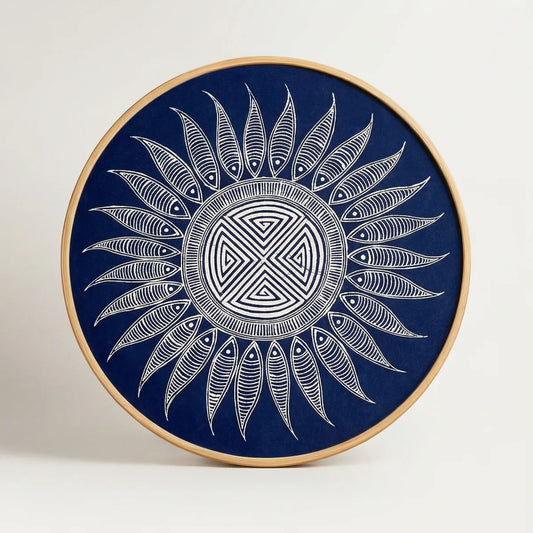
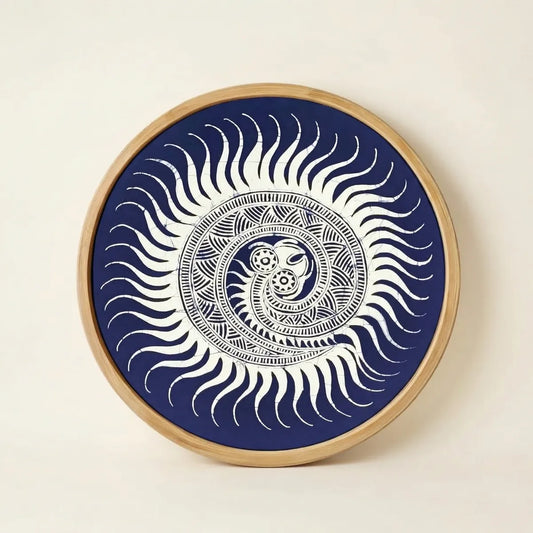
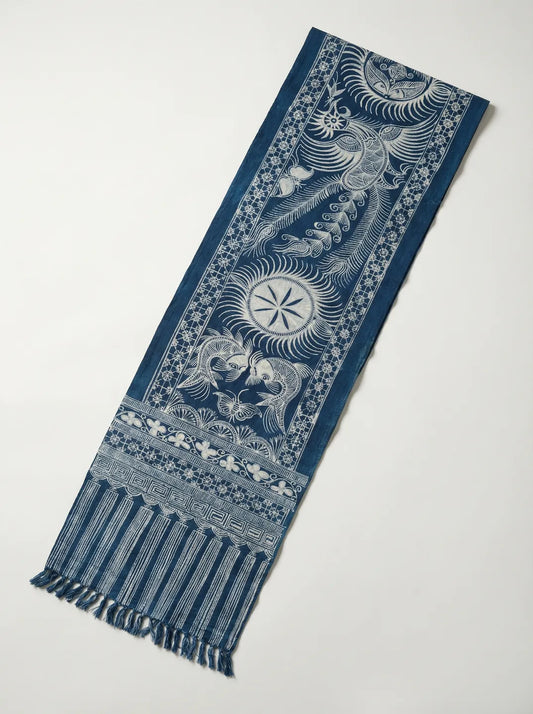
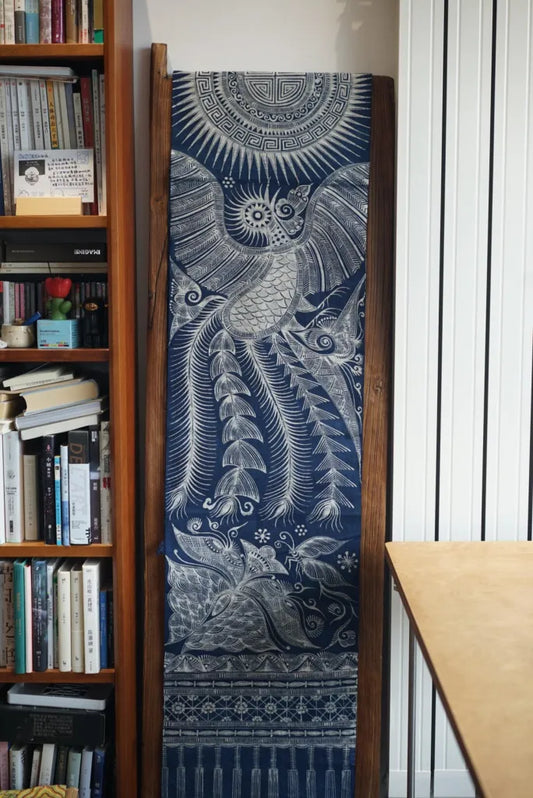
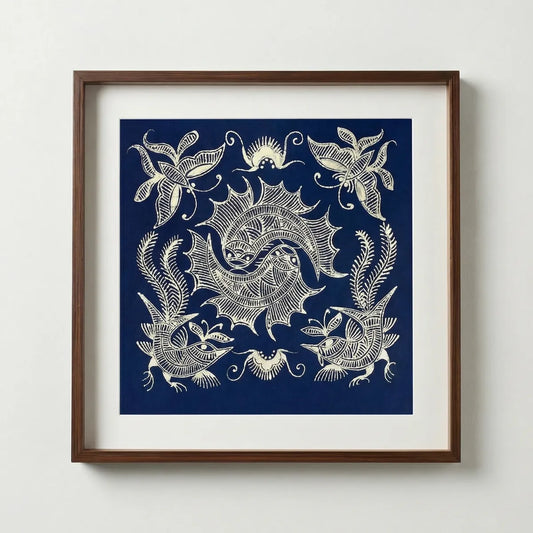
A Miao batik tool is a small wax knife used to draw melted wax onto cloth before indigo dyeing. The wax-covered lines resist the dye, so the final textile shows a blue field with white patterns where the wax was applied.
People often search for this tool as a "batik wax knife," "batik knife," or "Chinese batik tool." The names differ, but the basic purpose is the same: it lets the artisan draw with hot wax instead of ink.

What is the tool called?
In English, the tool is usually called a Miao batik wax knife, batik wax knife, batik knife, or wax drawing tool. It is not a knife for cutting. It is a drawing tool with a small metal part that holds melted wax and releases it onto fabric.
The exact shape can vary. Some tools are better for fine lines, while others hold more wax for longer strokes. A beginner should usually start with a tool that feels light and controllable rather than choosing the largest wax reservoir.
How does a Miao batik wax knife work?
- The artisan heats beeswax or batik wax until it flows.
- The wax knife is dipped into the melted wax.
- The tool is held at an angle so wax can move toward the tip.
- The artisan draws the pattern directly on cloth.
- The cloth is dyed with indigo.
- The wax is removed, revealing the white design.
The tool looks simple, but the technique is not automatic. Wax temperature, cloth tension, line speed, and hand pressure all change the final pattern.

Why the wax knife matters in Miao batik
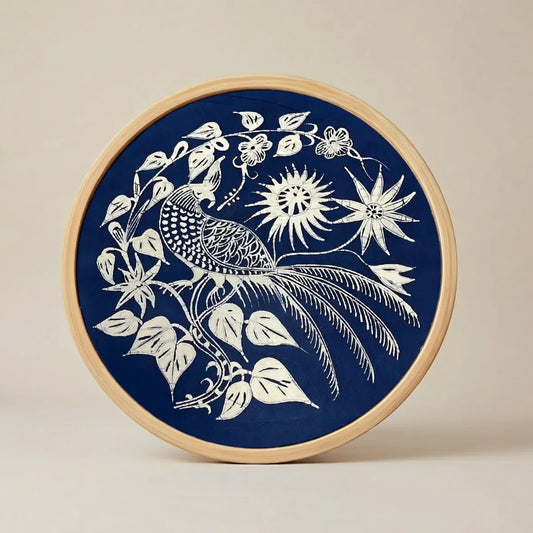
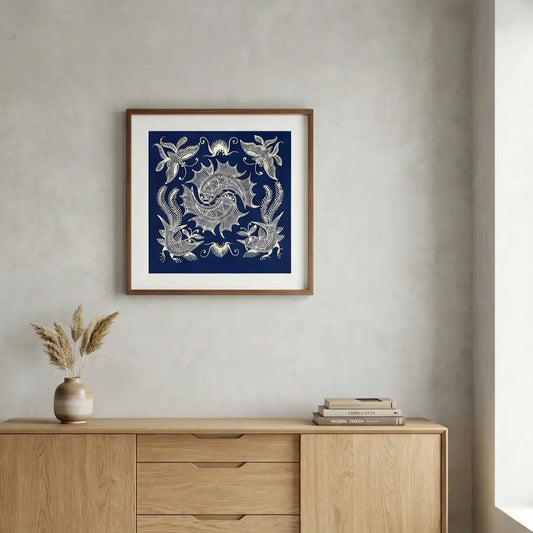
Miao batik is indigo cloth shaped by a drawn resist line. The wax line is the drawing. A steady hand can create fish, birds, butterflies, flowers, spirals, borders, and fine geometric details. A slight change in speed can make the line heavier or lighter.
This is why handmade Miao batik has small variations. The tool follows the hand, and the hand responds to the wax. Printed fabric can imitate the design, but it cannot reproduce the same sequence of decisions.
Common sizes and uses
| Tool type | Best for | Beginner note |
|---|---|---|
| Fine wax knife | Thin lines, small motifs, detail work | Good for practice, but it needs steady wax temperature. |
| Medium wax knife | Borders, curves, general pattern drawing | Often the easiest first choice. |
| Larger wax knife | Long lines and broader shapes | Useful later, but it can release too much wax for beginners. |

If you are choosing your first tool, a medium wax knife is usually the safest place to start. It gives you enough wax flow for visible lines without feeling as hard to control as a larger tool, which is why it suits practice cloth, simple borders, and first pattern studies.
How it differs from a canting
Many people know Indonesian batik through the canting, a small wax pen with a spout. A Miao batik wax knife serves a related purpose, but the handling and line feeling can be different. The Miao tool is closely tied to local pattern habits and the way artisans draw on cloth in Guizhou and nearby regions.
For the broader batik method, Britannica explains batik as a resist process, where wax prevents dye from coloring selected areas of cloth.
Beginner tips for using the tool
- Wash the cloth before drawing so the wax can bond cleanly.
- Test wax flow on scrap fabric before starting the final piece.
- Keep the cloth flat and tight.
- Use simple lines before trying complex symbols.
- Reheat the wax when the line begins to break or clump.
If you want a full practice process, use this companion guide: How to use a batik wax knife for Miao batik.

How to choose a Miao batik tool
Choose based on the kind of line you want. For small designs, choose a finer tool. For borders and steady practice, choose a medium tool. For large wall pieces, a larger tool can help cover more distance, but it usually takes more experience.
Also check the handle comfort, metal shape, and how easy the tool is to clean. A beautiful tool that is hard to control will slow down your learning.
If you are buying your first wax knife, it is usually better to choose one workable size and practice with it for a while rather than buying the biggest tool set immediately. A first tool should help you learn wax flow and hand movement, not overwhelm you.
You can view our Miao batik wax knife, or compare finished textiles in the Miao batik collection.
Related shopping
If you want to try the process yourself, start with our Miao batik wax knife. If you are more interested in the finished craft than the tool itself, you can also explore the wider Miao batik collection to see how these drawn wax lines appear in completed textiles.
Frequently asked questions
Is a Miao batik tool the same as a batik pen?
It has a similar purpose because both apply wax to cloth, but the shape and handling can differ. A Miao batik wax knife is tied to Miao wax-resist drawing methods and local pattern traditions.
Can I use a Miao batik wax knife as a beginner?
Yes. Start with a medium or fine tool, use scrap cloth first, and focus on wax temperature before complex patterns.
Why does my wax line keep breaking?
The wax may be too cool, the cloth may be loose, or the tool may not be carrying enough wax. Reheat slightly, flatten the fabric, and test the line again.
Which Miao batik tool size is easiest to start with?
For most beginners, a medium wax knife is the easiest first choice. It gives you a steadier wax flow than a very fine tool and usually feels easier to control than a larger one.

Tags:
Previous
Miao Batik Wall Art and Cultural Decor Ideas
Next
Ethnic Textile Wall Decor: How to Style Miao Batik at Home
1 comment
loved your tools. After reading the story, I’m curious how to use them, but I want to buy them. How can I?